Preschools around the world want the same thing: A high-quality learning environment that is engaging, child-centred, and trusted by parents.
This is why many preschools start with training like Kindiedays Academy to learn:
- How playful learning works
- How children learn best through experience
- How to support early skills in a holistic way
But after the training, almost every preschool asks the same question:
“How do we make this work every single day?”

From Training to Daily Practice
Many schools have activities, worksheets, and “content.” But content alone does not create transformation and give answers to:
- How teachers plan
- How to run activities
- How to observe learning
- How to document progress
- How to communicate with parents
- How to reflect on the learnings
Kindiedays Annual Subscription solves this by giving teachers structure and guidance without rigidity.
What Is the Kindiedays Annual Subscription?
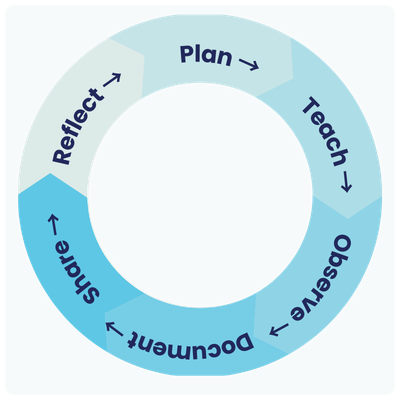
The Annual Subscription is a single yearly licence that combines four elements into one clear workflow:
✅ Learning Objectives (derived from curriculum)
✅ Academic Calendar
✅ Lesson plans
✅ Digi Tools (for documentation, portfolios, and parent communication)
These are not standalone products. Together, they create one organized journey.
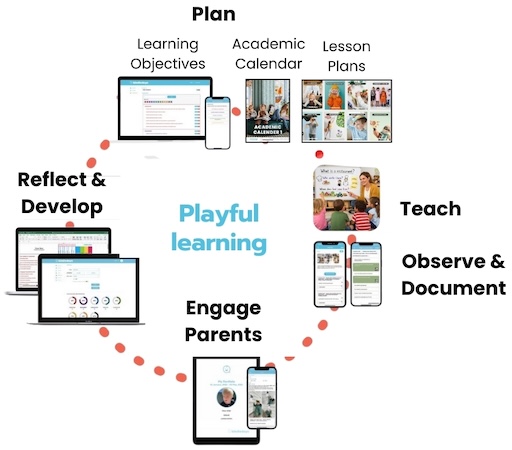
Plan->Teach->Observe->Document->Share->Reflect
How the Annual Subscription Works in Daily Teaching
With Kindiedays, teachers don’t have to “create everything on their own.” Instead, they work with a comprehensive system that guides them step by step.
1) Learning Objectives: Clear Direction for Children's Skill Development
Teachers know exactly what children should develop across the year: language, early literacy readiness, numeracy readiness, motor skills, social-emotional development, creativity, and more.
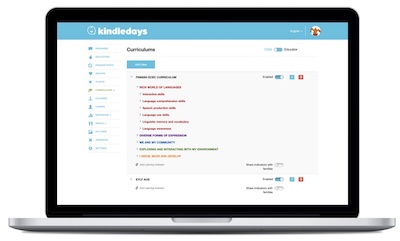
Learning objectives build purpose and clarity
2) Academic Calendar: The Whole Year Structured for You
The academic calendar gives structure to the year, so Center Heads and Teachers can plan with confidence.
- Full-year calendar for 3 learner levels (3-4yrs, 4-5yrs, 5-6yrs)
- 5 learning areas
- 8 themes
- 32 weekly plans
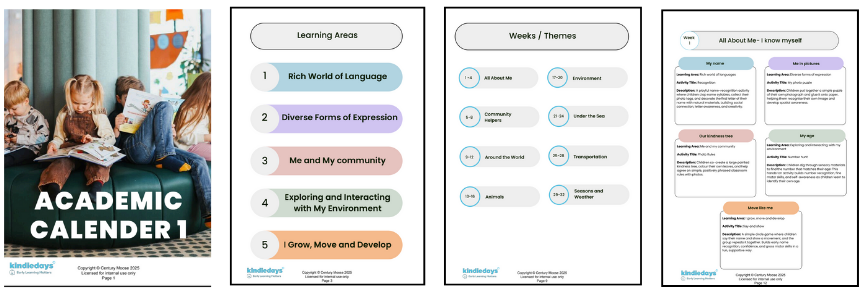
No more disconnected weeks or rushed planning
3) Lesson Plans: Playful Learning Made Easy to Deliver
Teachers follow ready-to-use lesson plans designed for real classrooms. The lesson plans are organized by level and themes.
- Weekly programs with meaningful play-based activities
- Learning goals, activity steps, and printables
- Stronger child engagement
- Better teacher confidence and smoother classroom flow
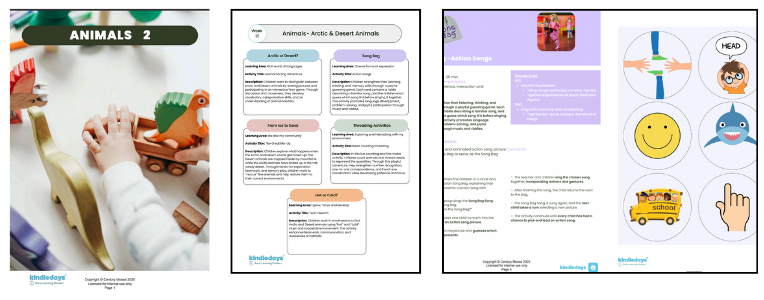
Playful learning becomes consistent, not occasional
4) Digi Tools: Making Learning Visible
This is where everything comes together. The Digi Tools support teachers to:
- Document learning naturally during daily activities
- Create learning posts and portfolios
- Track development over time with versatile reports
- Share meaningful learning moments with parents
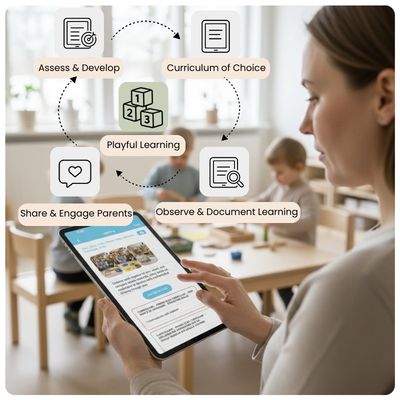
For parents, learning becomes visible.
For leaders, quality becomes measurable.
Real Change Happens When Methods and Tools Work Together
The biggest mistake schools make is trying to introduce new pedagogy without supporting it in daily practice. With Kindiedays Academy and Kindiedays Annual Subscription:
✅ Teachers are trained in modern methods
✅ Teachers get a structured system they can use daily

The bridge between knowing and doing
What Preschool Owners and Principals Gain
For school owners and academic coordinators, the Annual Subscription supports the bigger business goals too:
- Consistent teaching quality across classrooms
- Clearer evidence of learning and pedagogy
- Stronger preschool positioning for modern, quality-focused parents
- Higher parent trust and satisfaction
- Smoother year-long academic planning
- Happier, more confident teachers
It creates a preschool that doesn’t just say it offers modern education, but actually delivers it daily.
In One Sentence
The Kindiedays Annual Subscription is one yearly system that helps preschools plan, teach, document, and share playful learning — consistently, confidently, and visibly — throughout the entire school year.
What next?
👉 Learn how Kindiedays can support you with a complete Curriculum Partnership.

I look forward to meeting you.
Milla van der Burgh
👉 Click here to schedule a consultative call on Zoom or contact me on WhatsApp!
PS Join our official WhatsApp group 👉 click here to join the group!
.png)