.png)
Part 1/6 in a series by Kindiedays co-founder Jessi van der Burgh.
Early childhood education is full of learning moments — but many of them are easy to miss.
Young children do not learn by completing worksheets or giving the right answers. They learn while building, talking, exploring, negotiating, pretending, and playing. Much of this learning is invisible unless we stop to notice it.
Pedagogical documentation exists for this reason. It helps educators recognise, understand, and support children’s learning in a meaningful way. It is not an extra task or a formality. It is a core part of high-quality early childhood education.
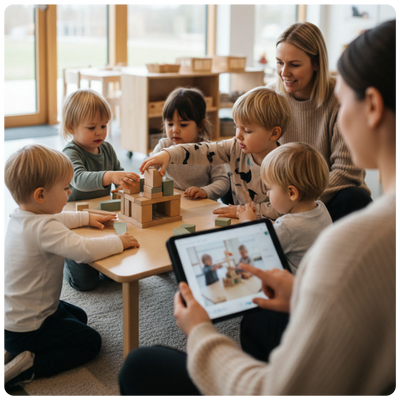
What is pedagogical documentation?
Pedagogical documentation is the process of:
- Observing children in everyday situations
- Recording meaningful moments of learning
- Reflecting on what these moments tell us
- Using this understanding to guide future practice
It focuses on learning processes, not just activities or outcomes.
Instead of asking “What did we do today?”, pedagogical documentation asks:
- What did children learn here?
- What were they interested in?
- How did they think, interact, and problem-solve?
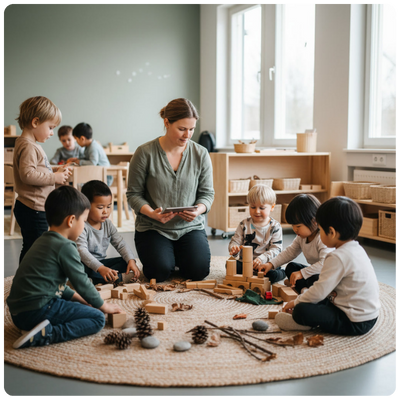
Why documentation is essential in early childhood education
1. Much of children’s learning is invisible
When children play, their learning is often subtle:
- A child negotiating turn-taking
- Two children solving a problem together
- A child experimenting with balance or cause and effect
- A child using new words during role play
Without documentation, these moments are easily forgotten. With documentation, they become visible and valued.
Pedagogical documentation helps educators recognise that play is learning, not a break from it.
2. Documentation supports intentional teaching
Good early childhood education is not about random activities. It is about intentional pedagogy.
When educators document learning, they can reflect:
- What skills are emerging?
- What interests are developing?
- What support or challenge might be needed next?
For example:
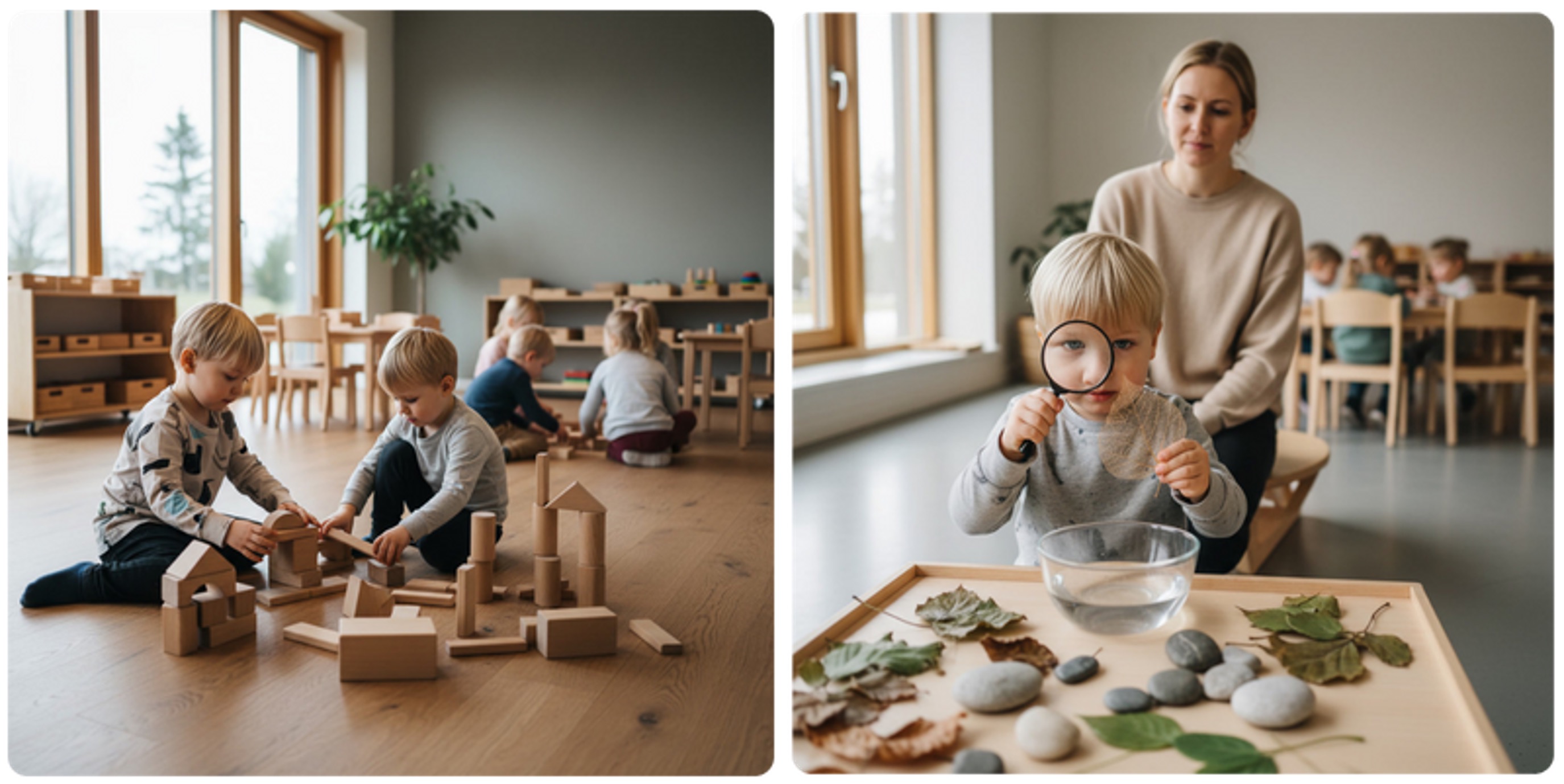
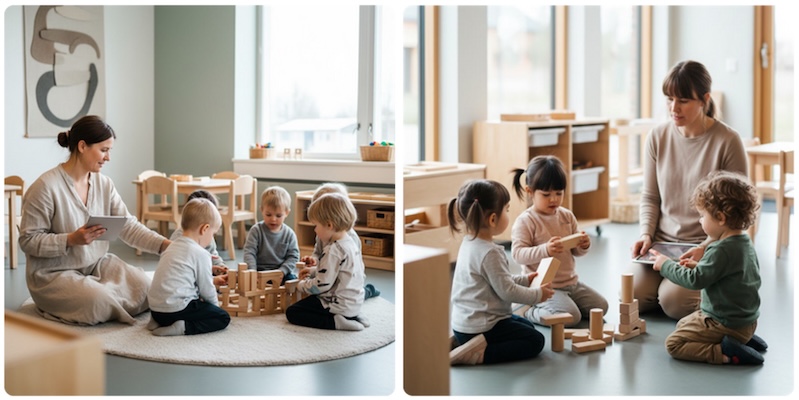
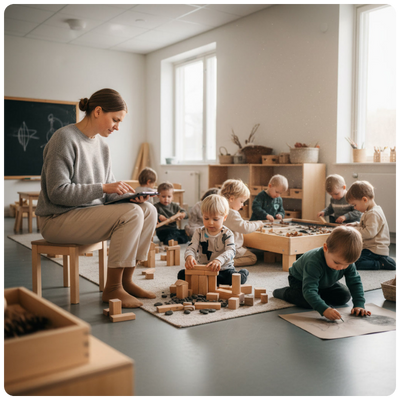
Children are freely building with blocks. An educator observes problem-solving, collaboration, and early mathematical thinking. This observation later informs planning — perhaps adding new materials or extending the activity.
The learning is child-led. The teaching is intentional.
3. Documentation supports individual development
Every child develops differently. Pedagogical documentation helps educators:
- Notice individual progress over time
- Understand each child’s strengths and needs
- Avoid comparing children to each other
Instead of relying on memory or assumptions, educators can base decisions on real observations.
This is especially important in diverse classrooms with different languages, abilities, and backgrounds.
4. Documentation strengthens professional reflection
Pedagogical documentation is not only about children — it also supports educators.
When educators document and reflect together, they:
- Develop a shared understanding of learning
- Improve consistency across the team
- Strengthen professional confidence
Documentation provides a basis for meaningful pedagogical discussions, not merely for administrative reporting.
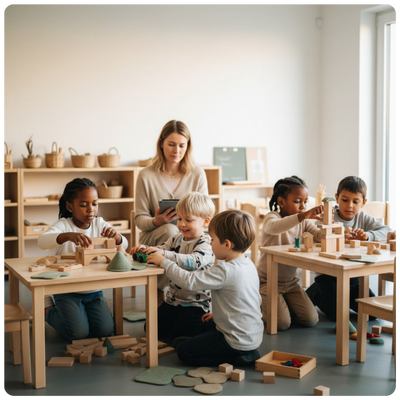
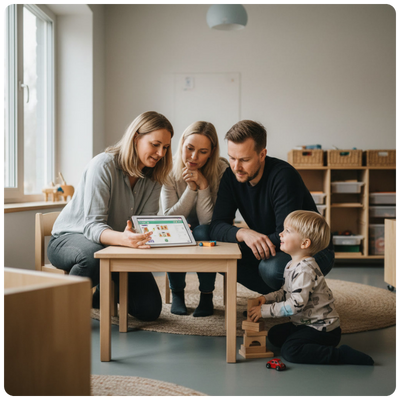
5. Documentation builds meaningful partnerships with families
Families want to understand their child’s learning — not just see photos or hear that the day was “good”.
Pedagogical documentation helps families:
- See what and how their child is learning
- Understand the value of play-based education
- Talk with their child about learning experiences
For example, instead of saying:
“Your child played today.”
Documentation allows educators to show:
“Your child explored patterns and problem-solving during block play and explained their ideas to peers.”
This creates deeper conversations between children and families and strengthens trust.
What pedagogical documentation is not
To understand its value, it helps to clarify what pedagogical documentation is not:
❌ Not long written reports for every activity
❌ Not paperwork created only for inspections
❌ Not judging or grading children
❌ Not documenting everything that happens
Pedagogical documentation is about meaning, not quantity.
One meaningful observation is more valuable than many empty notes.
Pedagogical documentation and play-based learning
A common concern is that documentation might interfere with play. In high-quality early childhood education, the opposite is true.
Children are free to play, explore, and lead their learning. Documentation happens after or alongside the experience. It helps adults understand learning — it does not control it.
Play remains open-ended for children. Documentation makes the learning that occurs through play visible to adults.
Why this matters now more than ever
Across the world, early childhood education is expected to:
- Show quality and accountability
- Support holistic development
- Communicate clearly with families
Pedagogical documentation helps meet these expectations without turning early childhood education into school-like instruction.
It allows educators to remain true to play-based, child-centred learning while remaining intentional and reflective.
In summary
Pedagogical documentation is needed because it:
- Makes children’s learning visible
- Supports intentional, reflective teaching
- Respects individual learning paths
- Strengthens educator professionalism
- Builds meaningful partnerships with families
It is not about doing more work.
It is about seeing learning more clearly.
👇 See the video on how pedagogical documentation works in practice with Kindiedays.
📽️ KINDIEDAYS DIGI TOOLS TO SUPPORT THE WHOLE LEARNING PROCESS
Coming next in this series
In the next blog, we explore how pedagogical documentation is used in the Finnish early childhood education system — and why this approach has become a global reference for quality and trust.
See you then ❤️

Jessi van de Burgh
jessi@kindiedays.com
Check the full series
This six-part series explores (click the link to explore all blogs):