.png)
Part 6/6 in a series by Kindiedays co-founder Jessi van der Burgh.
Pedagogical documentation is widely recognised as good practice in early childhood education. Yet one question continues to surface:
Is it really worth the time and effort?
Educators already juggle many responsibilities — caring for children, planning activities, communicating with parents, and working as a team. Any practice that adds pressure risks being resisted, even if its intentions are good.
The value of pedagogical documentation lies not in doing more, but in doing things more meaningfully.

The real concern behind the question
When educators ask whether documentation is “worth it”, they are often asking:
- Will this increase my workload?
- Will this take time away from children?
- Will this add pressure to be perfect?
- Will anyone actually use what I document?
These are valid concerns — especially when documentation has been experienced as paperwork rather than pedagogy.
When documentation does not feel worth it
Pedagogical documentation feels burdensome when it:
- Is done long after the learning moment
- Requires long written reports
- Is created only for compliance
- Is rarely revisited or reflected on
- Is disconnected from daily practice
In these situations, documentation becomes a task — not a tool.
When documentation is worth the effort
Pedagogical documentation becomes valuable when it:
- Is short and meaningful
- Happens close to the learning moment
- Supports reflection and planning
- Helps educators understand children better
- Strengthens communication with families
When documentation informs decisions and conversations, it saves time rather than consuming it.
The long-term impact on children
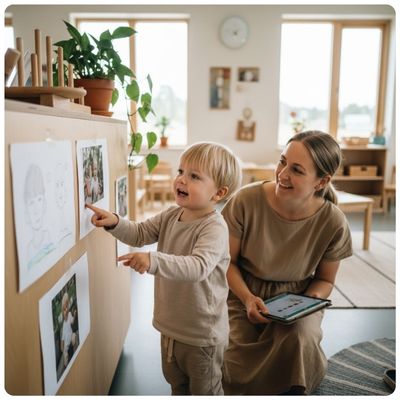
Over time, pedagogical documentation supports children by:
- Making learning visible and valued
- Strengthening language and reflection
- Supporting confidence and agency
- Ensuring holistic development
Children benefit not because they are documented, but because adults understand their learning more clearly.
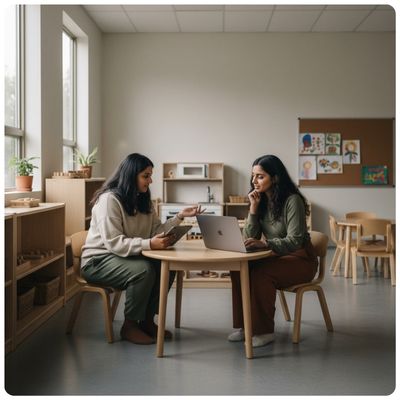
The long-term impact on teachers
For educators, consistent documentation:
- Builds professional confidence
- Reduces reliance on memory or assumptions
- Supports reflective practice
- Strengthens teamwork and shared understanding
Instead of asking “Did I do enough?”, teachers can ask “What did I notice, and how can I respond?”
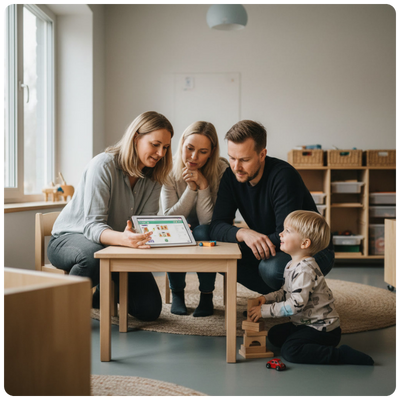
The long-term impact on parents
Families benefit when documentation:
- Explains the learning behind play
- Provides concrete moments to discuss
- Builds trust in the educational approach
- Supports meaningful home–school partnerships
Clear documentation reduces misunderstandings and increases engagement.
Time investment vs value gained
Pedagogical documentation does not need to be time-consuming to be effective.
Small, regular documentation moments:
- Prevent backlog
- Reduce stress
- Improve clarity
- Build habits over time
The question shifts from “How much time does this take?” to “What does this help us see and do?”
In summary
Pedagogical documentation is worth the time when:
- It is integrated into daily practice
- It strengthens pedagogy
- It supports teachers rather than burdening them
- It creates value for children, parents, and teams
Quality early childhood education is not built on paperwork. It is built on seeing, understanding, and responding to learning.
Closing the series
This six-part series has explored (click the link to explore the previous blogs):
- Why pedagogical documentation matters
- How it works in the Finnish context
- How goals support play without limiting it
- How documentation deepens learning beyond the classroom
- How practice has evolved from old ways to new ones
- Why is the effort worth it
Pedagogical documentation is not an extra layer — it is part of intentional, reflective early childhood education.
What next?
👉 Learn how Kindiedays can support you with a complete Curriculum Partnership.

I look forward to meeting you.
Milla van der Burgh
👉 Click here to schedule a consultative call on Zoom or contact me on WhatsApp!
PS Join our official WhatsApp group 👉 click here to join the group!