.png)
In early childhood education, some of the most important learning moments don’t look like learning at all.
They happen in play, conversations, relationships, and everyday routines. They are subtle, social, and often fleeting — and because of that, they are easy to miss.
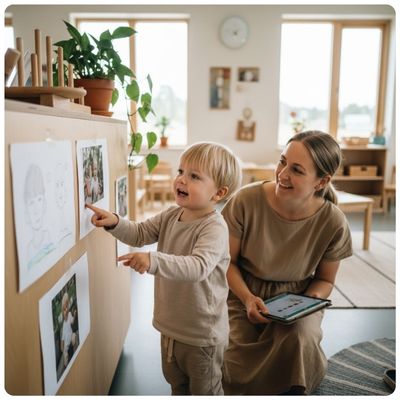
So why does learning need to be made visible? And who is learning visibility really for?
Learning is Already Happening — Even When It’s Not Obvious
Children learn through play, interaction, exploration, and curiosity. They learn while building, pretending, negotiating, asking questions, and experimenting. This learning is real and meaningful — but it doesn’t always result in worksheets, written outcomes, or visible “products.”
When learning remains invisible:
- Teachers may struggle to explain the value of play-based pedagogy
- Parents may feel unsure about what their child is learning
- Children’s progress may be misunderstood or underestimated
Making learning visible doesn’t mean changing how children learn. It means helping adults see what is already happening.
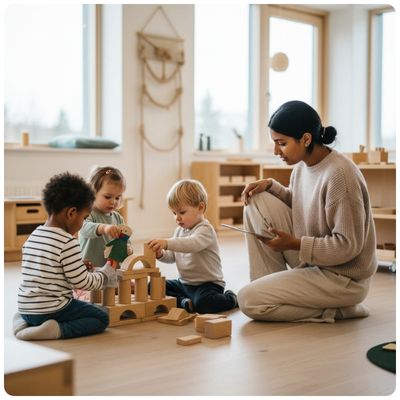
Who Is Learning Made Visible For?
For children
When learning is observed and documented, children’s thinking, interests, and strengths are recognised and valued. This supports identity, confidence, and a sense of belonging. Children are not measured — they are understood.
For teachers
Pedagogical documentation helps teachers reflect on learning, plan intentionally, and make informed decisions. It turns everyday moments into professional insight — without turning play into performance.
For parents
Parents don’t need worksheets to trust learning. They need understanding. When learning is made visible through meaningful observations, families gain insight into how and why learning happens. This builds trust, transparency, and genuine partnerships.
For leaders and organisations
Learning visibility supports consistency, quality assurance, and curriculum alignment. It allows leaders to see patterns, strengths, and growth — not just activity counts.
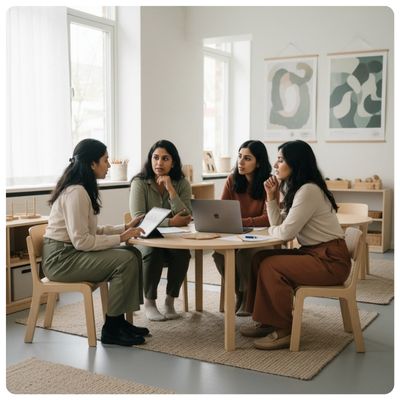
What Learning Visibility Is Not
Making learning visible is not:
- Extra paperwork
- Formal reports replacing play
- Stopping children's play to document every moment
- Proving learning through checklists alone
When done well, documentation supports learning — it doesn’t interrupt it.

Why This Matters Now
Across cultures and education systems, one question keeps coming up:
“How do I know my child is learning?”
The answer isn’t more worksheets. It’s clearer communication, intentional observation, and meaningful documentation. Learning doesn’t need to become more structured. It needs to become more visible.
Making learning visible is not about proving something. It’s about understanding, trust, and respect — for children, for teachers, and for pedagogy itself.
Learning doesn’t need to change. It needs to be seen.
What next?
At Kindiedays, learning visibility is built into everyday practice — not added on top.
Learn how Kindiedays solutions support teaching, documentation, reflection, and parent partnerships as one connected whole.
👉 Learn how Kindiedays can support your preschool.

I look forward to meeting you.
Milla van der Burgh
👉 Click here to schedule a consultative call on Zoom or contact me on WhatsApp!
PS Join our official WhatsApp group 👉 click here to join the group!
Check the full series
This six-part series explores (click the link to explore the previous blogs):
- Why pedagogical documentation matters
- How it works in the Finnish context
- How goals support play without limiting it
- How documentation deepens learning beyond the classroom
- How practice has evolved from old ways to new ones
- Why is the effort worth it