.png)
Last week, we started exploring what true experiential lesson plans look like in practice through the Kindiedays theme All About Me.
This week, we continue our journey with a completely different—but equally exciting—theme:
ANIMALS 🦋🐘🐶
Animals are naturally fascinating to children. They fly, swim, crawl, jump, and run. Some are tiny enough to sit on a flower, while others are bigger than a house. Some live with us, while others live in forests, oceans, deserts or jungles far away.
This natural curiosity makes Animals an ideal theme for experiential learning.
But experiential learning is not simply about choosing a fun animal activity.
For quality early childhood education, activities need to be purposeful, goal-oriented and connected to children's holistic development.
Kindiedays brings educational methods inspired by the Finnish curriculum into vibrant, interactive Lesson Plans that combine clear learning objectives with practical, hands-on classroom experiences.
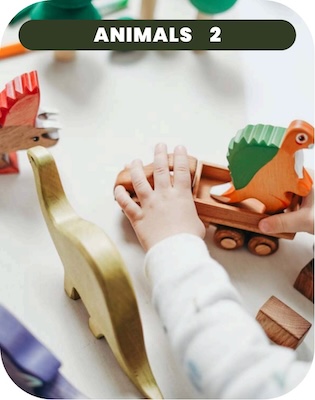
One theme – many opportunities for learning
Theme-based learning helps children connect different areas of knowledge instead of experiencing them as separate subjects.
With the Animals theme, children can explore questions such as:
- How do animals grow?
- Where do different animals live?
- How do animals move?
- What sounds do they make?
- What do they eat?
- How are animals different from each other?
- How should we care for animals and nature?
Learning can happen through stories, discussions, movement, art, music, observation, investigation, and play. Children are not simply told facts about animals.
They experience, explore, create, move, communicate and discover.
That is the essence of experiential learning.
Download a sample from the Animals theme HERE!
Why explore Animals in preschool?
Some children grow up surrounded by pets and animals. Others may have very little direct contact with them. Preschool can give every child opportunities to discover the animal world in a safe, playful, and meaningful way.
Animals also provide an excellent starting point for developing children's respect for other living creatures and the natural environment.
- And there is certainly plenty to discover!
- Why does a butterfly start its life looking nothing like a butterfly?
- Why does a giraffe have such a long neck?
- Why can birds fly?
- Where do fish sleep?
- Why do some animals come out at night?
- What would it feel like to move like a cat, frog, or elephant?
Instead of simply giving children the answers, an experiential teacher can turn these questions into opportunities for investigation and discovery.
.png)
Example 1: The Butterfly Life Cycle 🦋
From a child's perspective, the transformation of a caterpillar into a butterfly is almost magical.
But behind that magic is an important scientific concept: living things grow and change.
A traditional approach might show children a picture of the butterfly life cycle and ask them to remember its different stages.
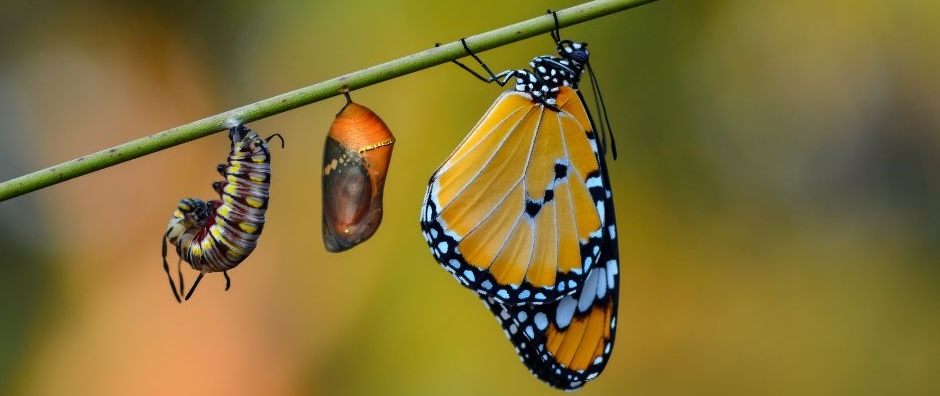
An experiential approach goes further. Children can explore the different stages through pictures and stories, arrange the stages in the correct sequence, create their own representations through arts and crafts, discuss what happens during each stage—and perhaps even move like caterpillars and butterflies.
Children actively construct their understanding.
Lesson focus and goals
Through a playful butterfly life-cycle activity, children can:
- Gain knowledge about the sequence of a butterfly's life cycle
- Understand that living creatures grow and change
- Develop their understanding of the natural world
- Develop curiosity and an interest in investigation
- Strengthen language and communication skills
- Develop creativity
- Practice sequencing and logical thinking
- Improve fine motor skills and hand-eye coordination
- Develop care and respect for living creatures
Notice what has happened.
One butterfly activity has become much more than a science lesson.
Science, language, thinking skills, creativity, fine motor development, and environmental awareness can all come together in one meaningful experience.
That is one of the great strengths of experiential learning.
Example 2: Animal Yoga 🐈🐍🐸
Now let's take the same Animals theme in a completely different direction.
What happens if children become the animals?
Animal Yoga invites children to use their bodies and imaginations to imitate different animals.
- Can you stretch like a cat?
- Balance like a flamingo?
- Crouch like a frog?
- Move slowly like a turtle?
- Stand tall like a giraffe?
Children are physically active, but they also observe, imagine, listen, and express themselves.
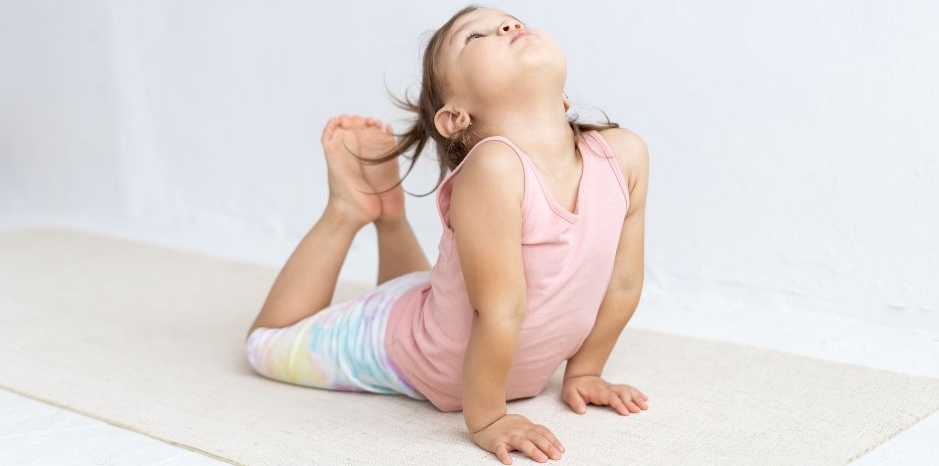
The teacher can encourage children to suggest animals and think about how each animal might move. There does not always have to be one correct answer.
A child might even invent a completely new animal and demonstrate how it moves!
Lesson focus and goals
Animal Yoga can help children:
- Participate in physical activity
- Develop flexibility and balance
- Improve concentration and focus
- Increase body awareness
- Practise calming down and relaxation
- Develop creativity and imagination
- Express ideas through movement
- Listen to and follow instructions
- Participate together with other children
- Develop confidence in using their bodies
Again, what looks like a simple and fun activity has clear pedagogical objectives behind it.
And importantly, the children don't need to experience it as a "lesson". For them, they are pretending to be animals, moving, laughing, experimenting and playing.
The teacher knows where the learning is. That is what makes playful learning pedagogical.
This distinction is important. Playful learning is not about filling the preschool day with random entertaining activities.
The activity should be enjoyable and meaningful for the child—but behind it, the educator has a clear understanding of why the activity is being offered and what development it can support.
The butterfly activity and Animal Yoga look completely different. One explores nature and scientific thinking. The other focuses strongly on movement, body awareness, and imagination.
Yet both belong naturally under the same Animals theme.
This is how theme-based experiential learning can help teachers create a learning environment that supports a child's holistic development.
From Animals to a full year of experiential learning
Animals is just one of the eight themes in the Kindiedays Lesson Plans:
All About Me – Seasons & Weather – Animals – Community Helpers – Under the Sea – Environment – Around the World – Transportation
Each theme gives children a new context to explore the world through playful, purposeful experiences.
The Kindiedays Academic Calendar then brings these themes together into a clear full-year structure for three learner levels:
2-3 years | 3–4 years | 4–5 years | 5–6 years
Each week balances different areas of children's holistic development:
- Monday: Linguistic Development
- Tuesday: Art Education
- Wednesday: Social and Emotional Development
- Thursday: STEM
- Friday: Physical Development and Food
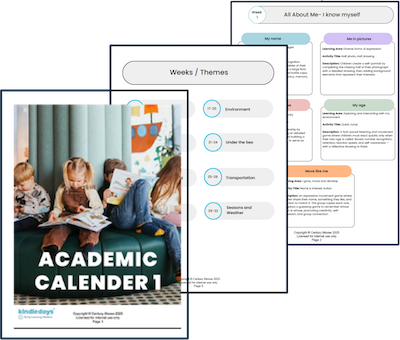
Teachers therefore don't have to choose between playful learning and systematic learning. They can have both.
Ready-to-use support for teachers
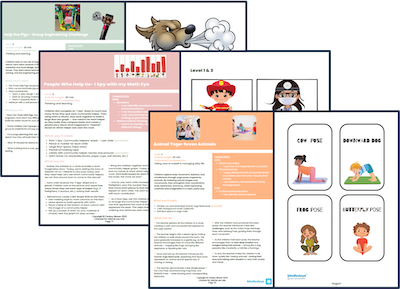
Kindiedays experiential Lesson Plans give educators practical guidance for implementing each activity, including:
- Learning area and objectives
- Transversal competencies and life skills
- A clear description of the activity
- Materials needed
- Printable resources
- Step-by-step guidance for implementation
The purpose is not to replace the teacher's creativity.
It gives teachers a strong pedagogical starting point, so they can spend less time wondering what to teach and more time observing, interacting with, and supporting the children.
👉 Read more about the lesson plans HERE!
And our journey through the themes continues...
Last week, we explored All About Me, where children discover themselves, their identities, and each other. This week, we traveled into the fascinating world of Animals.
In the coming weeks, we will continue opening the Kindiedays Lesson Plan Library theme by theme and show how experiential activities can turn curriculum objectives into real, joyful learning experiences in the preschool classroom.
Playful learning is not the absence of educational goals.
It is a different—and powerful—way of reaching them.
🐾 Roarr! Happy learning!
.png)