.png)
By Kindiedays CEO Milla van der Burgh

Over the past few years, I have had the opportunity to collaborate with preschool leaders and educators across India through Kindiedays. These conversations, school visits and teacher trainings gave me a deeper understanding of both the opportunities and challenges of implementing play-based learning.
They also inspired my master's thesis, Play-Based Learning in Indian Preschools: Constructivist and Experiential Perspectives on NEP 2020 Implementation.
The research explored how Indian preschool educators interpret and implement play-based and experiential learning, and what supports—or hinders—the transition from policy to everyday classroom practice.
You can read the full thesis here:
https://www.theseus.fi/handle/10024/929191
The question has changed
One of the most encouraging findings was that educators no longer question why play-based learning matters.
Across the interviews, preschool owners, principals, teachers and academic coordinators shared a strong commitment to the vision of NEP 2020. They recognised the importance of curiosity, exploration, meaningful experiences and holistic child development.
The real question had become:
How do we make this happen consistently in everyday classrooms?
What makes implementation challenging?
The research highlighted four recurring challenges.
1️⃣ Play-based learning is still widely misunderstood. Play is sometimes seen as free time or the opposite of learning, rather than as a purposeful way to develop language, thinking, creativity, and social-emotional skills.
2️⃣ Many teachers need practical support to move from teacher-led instruction towards facilitating children's exploration and inquiry. Understanding the theory is one thing; translating it into everyday practice is another.
3️⃣ Many participants highlighted the expectations children face when transitioning to Grade 1. As long as primary schools continue to emphasise early reading, writing and formal academics, preschools often feel pressured to introduce these skills earlier than they believe is developmentally appropriate. Greater alignment between preschool and primary education is essential for fully realising the vision of NEP 2020.
4️⃣ Parents often look for visible signs of learning, such as writing, worksheets and academic outcomes. Helping families understand what children learn through play is an important part of successful implementation.
Finally, differences in resources, learning environments and access to professional development create unequal opportunities for implementation across schools and regions.
What helps schools succeed?
The encouraging news is that successful implementation is not determined solely by resources. The strongest enabling factors identified in the research were supportive leadership, continuous professional learning, and strong collaboration.
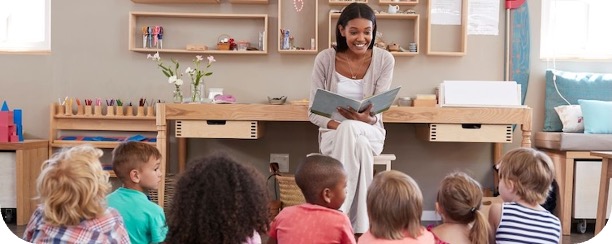
Schools made the greatest progress when leaders actively guided pedagogical development, teachers learned together and shared practical experiences, and parents were included in the journey through open communication about children's learning.
While differences in resources and learning environments certainly influence implementation, the findings suggest that a shared commitment to child-centred learning is even more important.
From policy to practice
Perhaps the most important conclusion of my research is that educational reform is ultimately about people, not policies.
A curriculum can define a vision, but it is teachers who bring it to life, leaders who create the conditions for change, and families who reinforce children's learning beyond the classroom.
Educational change is rarely immediate. As one participant in the study put it:
"Change is not like a switch."
It requires time, collaboration, continuous professional learning and a shared commitment to what we want early childhood education to achieve.
The research also highlighted that successful implementation extends beyond the preschool itself. As long as the expectations of preschool, Grade 1 and families are not fully aligned, educators will continue to face difficult choices between following child-centred pedagogy and preparing children for the next stage of education.
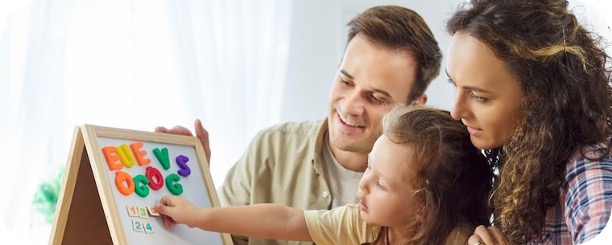
Ultimately, successful implementation depends on a shared understanding of how young children learn best.
When preschool leaders, teachers, families and primary schools work together towards the same vision of learning, implementing NEP 2020 becomes sustainable.
👉 Did you become interested in discussing this further
Click to schedule a Zoom call or contact me on WhatsApp!
I look forward to meeting you.
Milla van der Burgh